How Clayton’s Humid Climate Fuels Mold Growth and What You Can Do About It
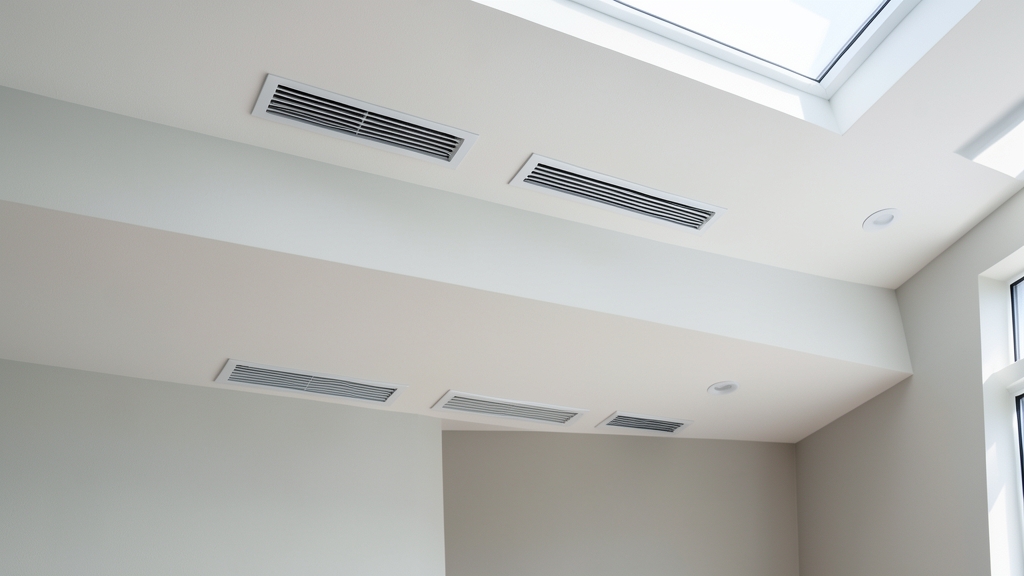
Clayton’s warm, humid climate isn’t just uncomfortable—it’s a breeding ground for mold. Without proactive moisture control, spores take hold in hidden spaces like crawl spaces, basements, and attics, often before you even notice. We’ll break down how local seasons accelerate growth and the targeted steps to stop it in its tracks.
Why Mold Thrives in Clayton’s Climate
Our region’s high humidity—especially in summer—creates the perfect environment for mold spores to germinate. With average humidity levels often exceeding 70%, organic materials like wood, drywall, and insulation become prime targets for colonization.
Spring and fall bring temperature swings that cause condensation, particularly in poorly ventilated areas. This moisture, combined with organic dust and debris, feeds mold growth even in homes that seem dry to the touch.
Seasonal Mold Risks in Eastern NC
Summer’s heat and humidity spike mold activity in attics and crawl spaces. Without proper ventilation, these areas trap moisture, accelerating growth on framing, subflooring, and stored items.
Winter isn’t safe either. Heating systems can dry out indoor air, but cold surfaces like windows and exterior walls may still develop condensation. Poorly sealed basements in Garner or Smithfield often see hidden mold blooms during these months.
Spring rains and fall leaf litter introduce excess moisture around foundations. Homes in Wilson’s Mills or Four Oaks with grading issues or clogged gutters are especially vulnerable to water intrusion and subsequent mold.
| Season | Primary Risk Factors | Most Affected Areas |
|---|---|---|
| Spring | Heavy rains, poor drainage, pollen/debris | Crawl spaces, basements, exterior walls |
| Summer | High humidity, heat, poor ventilation | Attics, bathrooms, behind appliances |
| Fall | Leaf buildup, temperature drops, condensation | Gutters, downspouts, window sills |
| Winter | Heating system condensation, poor insulation | Basements, interior walls, under sinks |
Early Signs of Mold You Might Be Missing
Mold doesn’t always announce itself with black splotches. Musty odors—especially in basements or crawl spaces—are a red flag. These smells often indicate hidden growth behind walls or under flooring.
Allergic reactions like itchy eyes, sneezing, or skin irritation can signal mold exposure, even if you can’t see it. Pay attention to symptoms that worsen at home but improve when you’re out.
Peeling paint, warped wood, or discolored caulking in bathrooms and kitchens are visual clues. These areas are prone to moisture buildup, making them hotspots for early colonization.
Mold can spread rapidly behind drywall or in HVAC ducts. If you suspect a problem, a professional mold inspection with air quality testing is the only way to confirm its presence and extent.
The Most Vulnerable Spaces in Your Home
Crawl spaces are ground zero for mold in Clayton. High humidity, poor airflow, and direct contact with soil create ideal conditions. Without a vapor barrier and proper encapsulation, these areas almost always develop issues over time.
Attics often suffer from inadequate ventilation. Trapped heat and moisture from daily activities rise upward, condensing on rafters and insulation. This is a common issue in older homes across Smithfield and Garner.
Basements, especially those with dirt floors or poor drainage, are magnets for mold. Water seepage through cracks or gaps in the foundation feeds persistent growth that can spread to stored belongings.
Moisture Control: Your First Line of Defense
Controlling humidity is the most effective way to prevent mold. Aim to keep indoor levels between 30-50% using dehumidifiers, especially in basements and crawl spaces. Empty and clean units regularly to prevent them from becoming mold sources themselves.
Proper ventilation is critical. Exhaust fans in bathrooms and kitchens should vent outside, not into attics. For whole-home solutions, consider energy-recovery ventilators (ERVs) to balance moisture levels without losing energy efficiency.
Address water intrusion immediately. Repair leaky roofs, pipes, or windows, and ensure gutters and downspouts direct water away from your foundation. Even small drips can lead to big problems over time.
Daily and Weekly Moisture Control Habits
- Run bathroom exhaust fans for 20-30 minutes after showers
- Use a hygrometer to monitor indoor humidity levels
- Wipe down wet surfaces in kitchens and bathrooms promptly
- Inspect under sinks and around appliances for leaks weekly
- Empty and clean dehumidifier tanks regularly
When to Call in the Professionals
If you see visible mold covering more than 10 square feet, it’s time to call our team. DIY cleanups often miss hidden growth and can inadvertently spread spores to other areas of your home.
After water damage—whether from a burst pipe, flooding, or a leaky roof—professional mold remediation is essential. We use specialized equipment to dry the area thoroughly and prevent secondary damage.
For peace of mind, schedule a mold inspection and air quality testing before buying a home, especially in older neighborhoods. This proactive step can save you from costly remediation down the line.
Mold can begin growing within 24-48 hours of water exposure. If your home in Four Oaks or Wilson’s Mills experiences flooding or leaks, contact us immediately for water damage restoration to mitigate mold risks.
Long-Term Solutions for Mold-Prone Homes
Crawl space encapsulation is a game-changer for homes in humid climates. By sealing the space with a vapor barrier and adding a dehumidifier, you create a controlled environment that inhibits mold growth.
Improving attic ventilation with soffit vents, ridge vents, or powered fans helps regulate temperature and moisture. This is especially important in older homes where insulation may be lacking or improperly installed.
For commercial properties, regular HVAC maintenance and duct cleaning are vital. Mold in ductwork can spread spores throughout the entire building, affecting air quality and occupant health.
How to Inspect Your Home for Mold Risk Areas
A thorough inspection can help you catch mold early or identify conditions that could lead to growth.
- 1Check for Visible Signs
Look for discoloration, staining, or fuzzy growth on walls, ceilings, and floors. Pay special attention to corners, under sinks, and around windows.
- 2Follow Your Nose
Musty odors often indicate hidden mold. Sniff around basements, crawl spaces, and behind furniture for persistent smells.
- 3Inspect for Moisture
Use a moisture meter to check for elevated levels in drywall, wood, or flooring. Areas with readings above 15-20% are at risk.
- 4Examine Ventilation
Ensure bathrooms, kitchens, and laundry rooms have working exhaust fans. Check attic and crawl space vents for blockages or damage.
- 5Look for Water Damage
Inspect ceilings, walls, and floors for water stains, peeling paint, or warping. These are signs of past or ongoing leaks.
- 6Test Air Quality
For a definitive answer, hire professionals for mold testing and air quality analysis. This is the only way to detect hidden spores and assess their concentration.
Frequently Asked Questions
How do I know if my Clayton home has a mold problem?
Visible mold, musty odors, or unexplained allergic reactions are common indicators. However, mold can also lurk behind walls or under flooring. A professional mold inspection with air quality testing provides the most accurate assessment.
Can I clean mold myself, or do I need a professional?
Small, surface-level mold (under 10 square feet) on non-porous materials can often be cleaned with a bleach solution or specialized mold cleaner. But for larger areas, porous materials like drywall, or if mold keeps returning, professional mold remediation is necessary to address the root cause.
Why is mold more common in crawl spaces in this area?
Clayton’s clay soil retains moisture, and crawl spaces are often poorly ventilated. This combination creates a damp, dark environment that’s perfect for mold spores to thrive. Without a vapor barrier and proper encapsulation, these spaces are highly susceptible to growth.
What’s the difference between mold testing and mold inspection?
A mold inspection is a visual and physical assessment of your property to identify signs of mold, moisture issues, and potential problem areas. Mold testing involves collecting air or surface samples to determine the type and concentration of mold spores present. Both are often used together for a comprehensive evaluation.
How does humidity in Clayton compare to other parts of NC?
Eastern NC, including Clayton, tends to have higher humidity levels than the western part of the state due to its proximity to the coast. This makes homes in our area more prone to mold issues, especially during the summer months when humidity can stay above 70% for extended periods.
What should I do if I find mold in my rental property?
Document the issue with photos and notify your landlord or property manager immediately. In NC, landlords are typically responsible for addressing mold problems that affect health and safety. If they’re unresponsive, you may need to involve a professional mold remediation company and local housing authorities.