Mold Remediation vs. Mildew Cleanup: What Clayton Residents Need to Know
Mold and mildew thrive in our humid North Carolina climate, but they’re not the same problem—and neither is the solution. We see Clayton homeowners confuse the two daily, often making costly mistakes. Here’s how to tell them apart and what to do next.
Mold vs. Mildew: The Biological Difference
Mold and mildew are both fungi, but mold penetrates surfaces, while mildew stays on the surface. Mildew is a specific type of mold—usually white or gray—with a powdery or downy texture. True mold appears fuzzy, slimy, or black, and it can destroy drywall, wood, and insulation if left unchecked.
Mildew typically grows on moist, organic materials like paper, leather, or fabric. Mold, however, can colonize almost any surface given enough moisture and time. In Clayton’s damp summers, we often find mold in crawl spaces, basements, and attics where humidity lingers.
Health Risks: When to Worry
Mildew can trigger allergies and respiratory irritation, but most healthy adults tolerate brief exposure. Mold, especially toxic varieties like Stachybotrys (black mold), can release mycotoxins linked to chronic sinusitis, neurological issues, and immune suppression.
Children, the elderly, and those with asthma or compromised immune systems are at higher risk. If you notice persistent coughing, headaches, or musty odors, it’s time for professional mold testing and air quality assessment.
Mold often grows behind walls or under flooring. If you see water stains or smell a musty odor, assume mold is present until proven otherwise.
Mildew Cleanup: A DIY Job (If Caught Early)
For small mildew patches on non-porous surfaces like tile or glass, a scrub brush, detergent, and water may suffice. Always wear gloves and a mask, and dry the area thoroughly afterward to prevent regrowth.
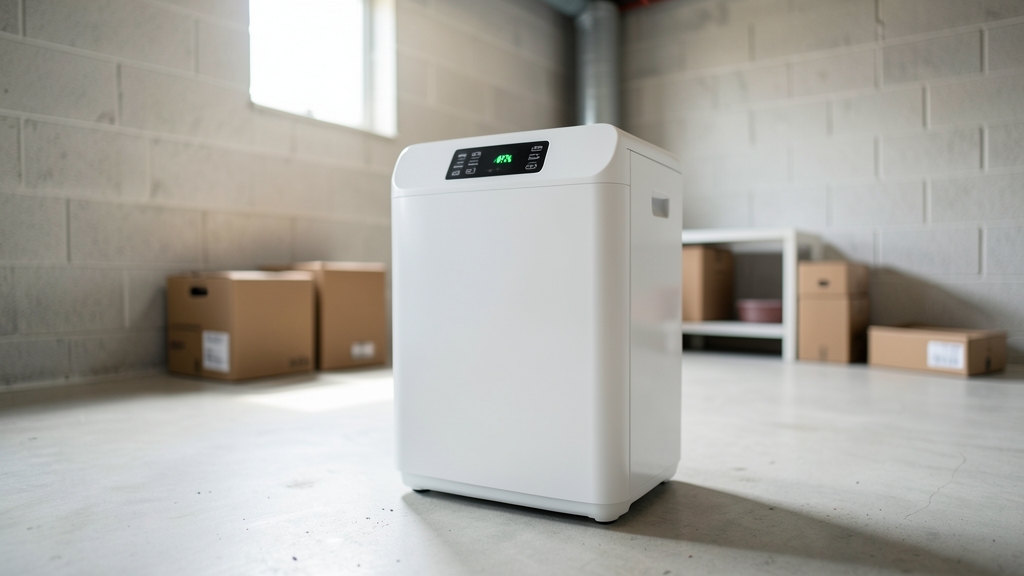
Porous materials like drywall or ceiling tiles often require removal if mildew has taken hold. In Garner or Smithfield homes with high humidity, a dehumidifier can help prevent recurrence after cleanup.
Mildew Cleanup Checklist
- Wear N95 mask and gloves
- Ventilate the area well
- Scrub with detergent and water (avoid bleach on porous surfaces)
- Dry completely with fans or dehumidifier
- Monitor for regrowth over the next week
Mold Remediation: Why Professionals Are Essential
Mold remediation isn’t just cleaning—it’s a controlled process to remove contamination and prevent recurrence. Our team uses containment barriers, negative air pressure, and HEPA filtration to prevent spores from spreading during removal.
We also address the root cause: moisture. Without fixing leaks, poor ventilation, or high humidity, mold will return. In Clayton’s older homes, we often find mold in crawl spaces due to inadequate vapor barriers or poor drainage around the foundation.
Mold testing identifies the species and spore count, helping us tailor the remediation plan. Air quality testing also confirms whether spores have spread beyond the visible area.
Mold Remediation vs. Mildew Cleanup: Key Differences
The scope, tools, and expertise required for mold remediation far exceed those for mildew cleanup. Below is a side-by-side comparison to clarify when to DIY and when to call in the pros.
| Factor | Mildew Cleanup | Mold Remediation |
|---|---|---|
| Scope | Surface-level, small areas | Deep penetration, often large or hidden areas |
| Safety Gear | Gloves, N95 mask | Full PPE, respirators, containment suits |
| Tools/Equipment | Scrub brush, detergent, dehumidifier | HEPA vacuums, air scrubbers, negative air machines |
| Moisture Control | Drying the area | Comprehensive moisture assessment and fixes |
| Professional Required? | No (if small and contained) | Yes (for areas >10 sq ft or hidden mold) |
| Timeframe | 1-2 hours | 1-5 days (depending on severity) |
Common Mold Hotspots in Clayton Homes
Our climate and local building styles create perfect conditions for mold. Crawl spaces without proper encapsulation are a top offender, especially in neighborhoods with older construction. Basements and attics with poor ventilation also trap moisture, leading to mold growth on joists, insulation, or stored items.
Water damage from storms or plumbing leaks—common in areas like Four Oaks or Wilson’s Mills—can lead to hidden mold behind walls or under flooring. Even newer homes aren’t immune if humidity isn’t controlled.
The Remediation Process: What to Expect
Every job starts with a thorough mold inspection and testing to assess the extent of the problem. We then contain the affected area to prevent cross-contamination, using plastic sheeting and negative air pressure.
Next, we remove contaminated materials (like drywall or insulation) and clean salvageable surfaces with antimicrobial solutions. HEPA vacuums capture lingering spores, and air scrubbers filter the air. Finally, we address the moisture source—whether it’s a leak, poor drainage, or high humidity—to prevent recurrence.
Preventing Future Problems
Mold prevention starts with moisture control. In Clayton, we recommend crawl space encapsulation, proper attic ventilation, and dehumidifiers in basements. Regularly inspecting for leaks, especially after heavy rains, can catch problems early.
For commercial properties, like those in Smithfield or Garner, we often implement ongoing air quality monitoring and maintenance plans to stay ahead of mold risks. Simple steps like using exhaust fans in bathrooms and kitchens also make a big difference.
Mold can begin growing within 24-48 hours of water exposure. Immediate water damage restoration is critical to preventing a mold problem.
How to Inspect Your Home for Mold and Mildew
A quick but thorough inspection can help you catch issues early.
- 1Check for Visible Signs
Look for dark spots, discoloration, or fuzzy growth on walls, ceilings, and floors. Pay special attention to bathrooms, kitchens, basements, and around windows.
- 2Follow Your Nose
A musty odor is a strong indicator of hidden mold. Trace the smell to its source, even if you don’t see visible growth.
- 3Inspect for Water Damage
Water stains, peeling paint, or warped flooring suggest past or ongoing moisture issues. Check under sinks, around pipes, and near appliances.
- 4Use a Moisture Meter
These inexpensive tools can detect high moisture levels in walls or flooring, even if the surface appears dry. Readings above 17% for wood or 1% for drywall may indicate a problem.
- 5Check Hidden Areas
Move furniture, lift rugs, and inspect behind stored items in closets, attics, and crawl spaces. Mold often grows in these out-of-sight areas.
- 6Monitor Humidity Levels
Use a hygrometer to measure indoor humidity. Keep levels below 60%—ideally between 30-50%—to discourage mold growth.
Frequently Asked Questions
Can I use bleach to clean mold in my Clayton home?
Bleach is ineffective for porous materials like drywall or wood, as it only removes surface color without killing the roots. On non-porous surfaces, it can work for small areas, but we recommend using a dedicated mold cleaner or antimicrobial solution for better results. For large or hidden mold, professional remediation is safer and more thorough.
How do I know if my home’s mold problem requires professional remediation?
If the mold covers more than 10 square feet, is hidden behind walls or under flooring, or if you or your family are experiencing health symptoms, it’s time to call a pro. Additionally, if the mold keeps returning after cleaning, a professional can identify and fix the underlying moisture issue.
Is mildew in my bathroom dangerous?
While mildew is less harmful than mold, it can still cause allergies and respiratory issues, especially for sensitive individuals. If left untreated, it can also spread and lead to more serious mold growth. Address it promptly with proper cleaning and ventilation.
Why is mold more common in Clayton homes during certain seasons?
Our hot, humid summers and mild, damp winters create ideal conditions for mold growth year-round. However, mold is often more noticeable in late summer and early fall when humidity peaks. Poor ventilation and storm-related water damage also contribute to seasonal spikes.
Does homeowners insurance cover mold remediation?
Coverage varies by policy and the cause of the mold. If mold results from a sudden, covered event like a burst pipe, your insurance may pay for remediation. However, mold due to long-term humidity or neglected maintenance is typically not covered. Always check your policy and document the cause carefully.
What’s the difference between mold testing and air quality testing?
Mold testing identifies the type and concentration of mold spores in a specific area, often through surface or bulk samples. Air quality testing measures the overall spore count in the air, comparing indoor levels to outdoor baselines. Both are valuable tools, but air quality testing provides a broader picture of your home’s environment.